
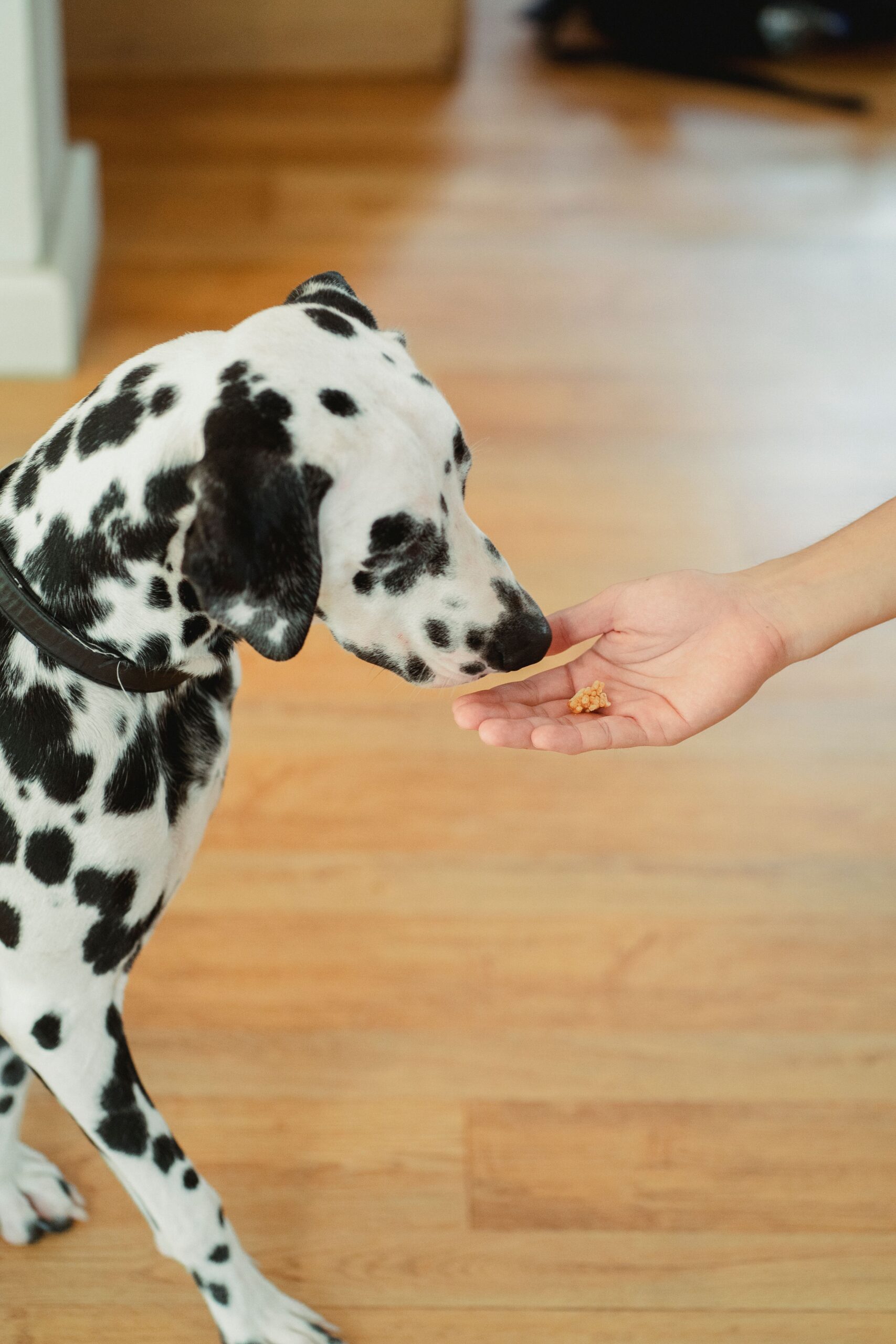
It’s too hot for a long afternoon walk. Or it’s raining sideways. Or you have twenty minutes between meetings and a dog who has decided the house needs investigating immediately. Whatever the reason, an indoor scent game can be a fun way to add something interesting to your dog’s day.
You don’t need expensive equipment or a professional training course. A few pieces of kibble, a towel, and a little patience are enough to try some simple games that ask your dog to use their nose.
If your dog enjoys stopping to investigate every blade of grass outside, you may have already discovered the appeal of sniffing. Our beginner’s guide to sniff walks explores that outdoor side of enrichment. Here, we’re bringing the search indoors.
Before you start: keep it fun and safe
Start with a dog who is comfortable, willing to participate, and able to take a break. Choose an uncluttered area with a nonslip surface. Use small pieces of your dog’s usual food or veterinarian-approved treats, counting them toward the day’s food allowance where appropriate.
Keep every game supervised, especially when you’re using towels, cups, or cardboard. Skip DIY materials your dog likes to shred or swallow. Avoid hiding food in a spot that requires climbing, jumping, reaching into tight gaps, or opening anything with sharp edges.
If your dog has food sensitivities, a medically managed diet, swallowing difficulties, or guarding behavior around food, ask your veterinarian or a qualified reward-based trainer what activities are suitable. And remember: a short, happy game is better than a frustrating marathon.
Game 1: The easy ‘find it’ scatter
This is the beginner-friendly version, and it might be the one your dog likes best.
- Ask your dog to wait nearby or have another person gently hold their attention.
- Place three to five pieces of kibble on a clean, open section of floor or a washable mat, spaced far enough apart to spot easily.
- Say ‘find it’ and let your dog explore at their own pace. Don’t rush to point out every piece.
When they understand the idea, spread the pieces farther apart. Avoid scattering treats where they could roll under appliances or into areas you can’t inspect.
Game 2: The folded-towel treasure hunt
Lay a clean towel flat and place a few pieces of kibble along one half. Fold it once so the food is loosely covered, then invite your dog to sniff and nudge it open.
Make the first version laughably easy. If your dog enjoys it, you can try another gentle fold. Don’t tie the towel into tight knots, and stop if your dog begins eating the fabric. The American Animal Hospital Association includes towel-based food searches among its suggestions for indoor dog enrichment.
Game 3: Which cup has the treat?
Set out two large, stable, dog-safe cups or containers on the floor. Let your dog watch as you put a piece of food beneath one, leaving space so the treat’s scent can escape. Invite them to investigate.
Reward any gentle investigation, then lift the container so they can eat the food. Increase to three containers only if your dog seems interested. This isn’t a test of intelligence, and there’s no need to make the puzzle impossibly hard.
Use containers that won’t splinter, break, or be swallowed, and put them away as soon as the game is finished.
Game 4: A cardboard box search
Put a treat in one of two open, empty cardboard boxes placed side by side. Leave the boxes easy to access. When your dog confidently finds the correct one, try adding a third box or changing the layout.
Remove tape, staples, packing materials, plastic, and labels first. Dogs who tear up or eat cardboard should use a different activity. ASPCApro’s scent-game guide describes simple box searches as an introduction to canine scent enrichment.
Game 5: Find a favorite toy
If your dog loves a particular toy, show it to them, have them wait briefly, and hide it somewhere obvious: partly behind a cushion or just around a doorway. Invite them to find it.
This game works best after your dog already understands the idea of searching for that toy. Celebrate the discovery with a short game of tug or another activity they enjoy, using a toy appropriate to their size and play style.
Once your dog catches on, increase the challenge gradually. Don’t wedge toys behind furniture or place them anywhere your dog could get stuck.
Game 6: Hide-and-seek with a person
A second person makes this one especially fun. Have your dog stay with one person while the other walks to a nearby room and calls out cheerfully. When your dog arrives, offer praise or a favorite reward.
You can make it slightly harder by changing rooms or standing behind an open doorway, but always allow a safe, obvious path. The goal is a pleasant search-and-find moment, not to confuse or alarm your dog.
What if your dog isn’t interested?
Some dogs love sniffing out every crumb; others would rather take a nap. If your dog walks away, seems frustrated, or stops engaging, that’s useful feedback. Make the game easier, use a more appealing reward, or try again another day.
You can also use a different kind of enrichment: a gentle training session, a safe chew, a food puzzle designed for dogs, or simply a few minutes of quality time together. VCA Animal Hospitals describes enrichment as offering animals safe opportunities for species-appropriate activities—not a requirement that every dog love every game.
A ten-minute indoor sniff session
- Two minutes: Scatter a few easy treats to build confidence.
- Five minutes: Try one of the towel, cup, or box games at an easy level.
- Three minutes: Finish with a toy search, calm praise, and time to settle.
This is just a flexible example, not an exercise prescription. Adjust the activity, duration, and food amount to your dog. Indoor games add variety, but they don’t automatically replace walks, outdoor opportunities, or physical exercise.
The best game is the one your dog wants to play
A sniff game isn’t about creating the most elaborate puzzle on the internet. It’s about giving your dog a simple, enjoyable problem to solve with their nose. Start easy, supervise, and let their interest decide when to stop.
Sources and further reading
- AAHA — Boredom Busters: Indoor Enrichment for Dogs
- ASPCApro — Scent Games for Canine Enrichment
- VCA Animal Hospitals — Using Enrichment, Predictability and Scheduling
Featured image: Bethany Ferr / Pexels.