
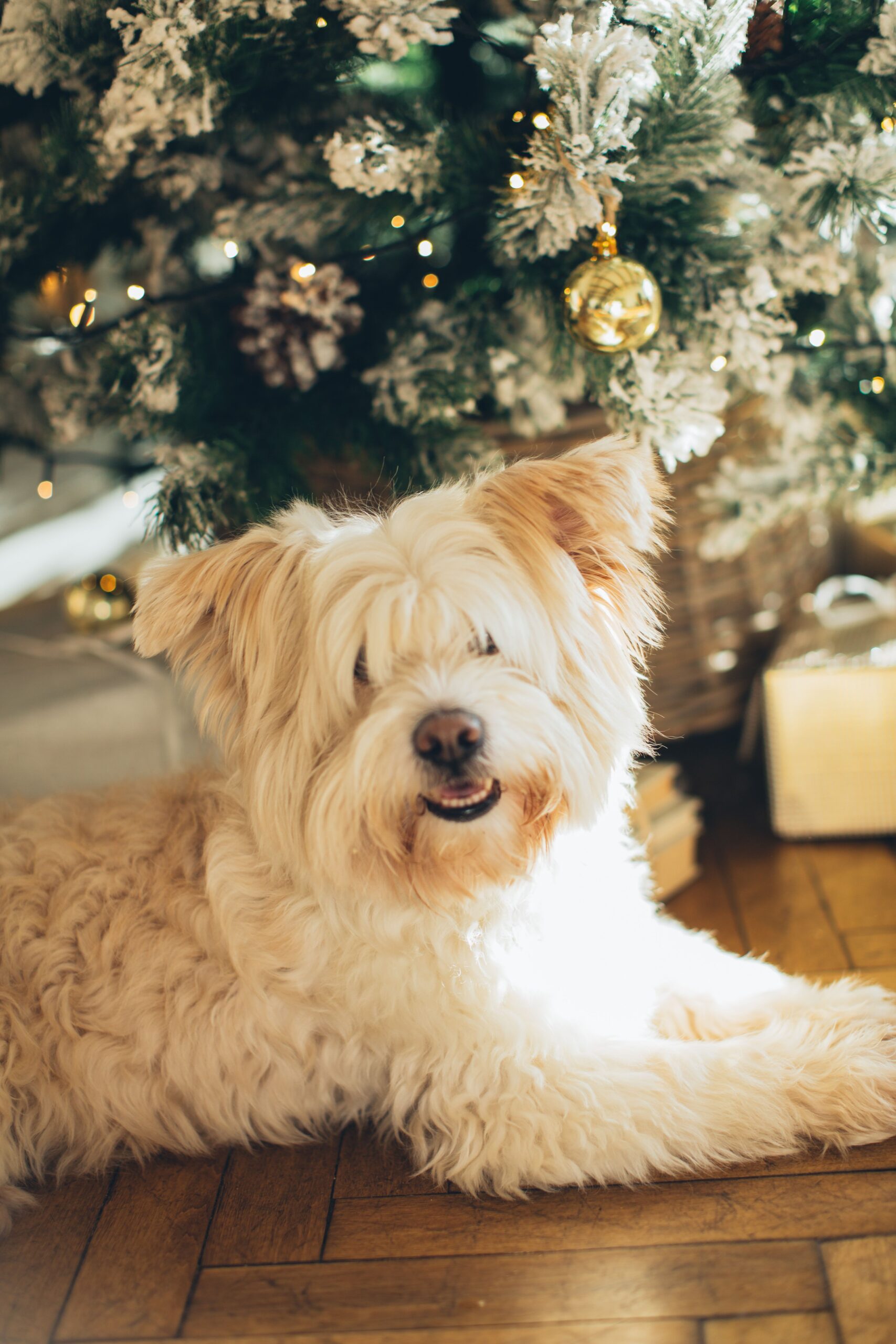
For us, a holiday gathering might mean good food, familiar faces, and someone asking where the extra chairs are. For a dog or cat, it can mean a doorbell that never stops ringing, unfamiliar shoes in the hallway, delicious smells they aren’t allowed to investigate, and people who really, really want to say hello.
Some pets love company. Others would happily skip the party and spend the afternoon in a quiet room. Either way, a little preparation can help the day feel safer and more comfortable for everyone—including the furry member of the household.
You don’t need a perfect party plan. You need a few simple decisions made before the first guest arrives.
Before the gathering: make a quiet place your pet can choose
Pick a calm room or familiar area away from the busiest part of the house. Add their usual bed, fresh water, and something familiar, such as a favorite safe toy. For cats, provide access to an appropriate litter box, a hiding place, and any other essentials they need.
Try not to turn the space into an unfamiliar overnight setup at the last minute. Let your pet explore it while the house is still quiet, and never use the space as punishment. The ASPCA’s holiday safety guidance recommends a quiet retreat where pets can get away from the excitement.
For some animals, a closed door with a clear sign helps prevent surprise visits. For others, a gate or the option to move freely between calm areas is more comfortable. Choose what suits the pet and keeps them safely contained, rather than forcing one arrangement on every animal.
Give guests three simple house rules
You don’t need a speech at the door. A quick, friendly explanation is enough:
- Please let the pet approach you. No chasing, picking up, hugging, or reaching into hiding places.
- Please don’t share food. Even a generous little bite from a plate can be unsafe or disruptive to a pet’s diet.
- Please check doors and gates. A distracted second with the front door open is all it takes for a pet to slip outside.
Children need particular care: supervise interactions closely, keep small children from disturbing a resting or hiding pet, and provide a physical separation if either side is getting overwhelmed. No child should be asked to manage a frightened dog or cat.
Make the front door a plan, not a surprise
If your dog barks or rushes to greet every visitor, don’t wait for the doorbell to test a brand-new training method. Use a secure barrier, a comfortable separate room, or a leash held by a capable adult while guests arrive.
For dogs who are relaxed enough to practice, a familiar ‘go to your mat’ routine can be useful, but it should be taught gradually during quiet days—not demanded for the first time when the hallway is full. VCA Animal Hospitals recommends teaching alternative greeting behaviors away from the excitement of actual arrivals.
Check that identification and microchip contact details are current, and make sure guests know which doors must remain closed. If your pet is at genuine risk of escaping, separating them before the first arrival is usually simpler than relying on everyone to remember a complicated routine.
Let cats decide whether to be seen
A cat who watches the party from the top of the stairs is still participating in their own way. A cat who disappears under the bed may simply be choosing distance.
Unfamiliar visitors can be stressful for some cats, and Cats Protection advises letting cats approach people in their own time. Don’t pull a hiding cat out to show them off, even if your guests are devoted cat lovers.
If your cat is comfortable with visitors, let them enjoy a brief hello and then leave when they’ve had enough. Your guests can admire your cat from a respectable distance. This is still a successful introduction.
Keep holiday food and decorations out of reach
A crowded kitchen produces opportunities for curious paws and noses. Put serving trays, drinks, chocolate, alcohol, and leftovers somewhere pets can’t access them. Secure the trash, especially if it contains bones, skewers, wrappers, or food scraps.
Decorations deserve the same attention. Keep fragile ornaments, loose ribbons, tinsel, electrical cords, and small detachable pieces out of reach. Monitor any candles or lights, and never assume a pet will ignore something just because they ignored it yesterday. The American Veterinary Medical Association advises planning ahead for food hazards, busy gatherings, and unfamiliar visitors.
If you think your pet has eaten something dangerous, contact your veterinarian or an animal poison-control service promptly rather than trying a home remedy.
Watch for a ‘no thanks’ from your pet
A happy tail wag doesn’t always mean a dog wants more attention, and a cat purring doesn’t necessarily mean they want to be picked up. Look at the full picture: posture, movement, willingness to approach, and whether the pet can choose to leave.
Some signs that a pet may need space include freezing, hiding, repeated attempts to move away, tense body language, growling, hissing, and sudden changes in behavior. Dogs may also lick their lips, yawn, or turn away when uncomfortable. If you’re unsure, give them distance instead of asking for one more photo.
For a pet with a history of fear or aggression around visitors, arrange a safe separation and speak to your veterinarian or a qualified behavior professional about a longer-term plan. A holiday party is not the place to experiment with forced introductions.
A calm routine before and after the party
Try to keep mealtimes, bathroom opportunities, and rest periods reasonably familiar. A dog who enjoys a relaxed morning outing may appreciate one before guests arrive; our sniff-walk guide is a reminder that a walk doesn’t have to be about covering the most distance.
After the guests leave, check the floor for dropped food and small objects, empty the trash safely, refill water, and give your pet an opportunity to settle. Don’t be surprised if your furry companion’s preferred finale is a long nap.
Your five-minute pre-guest checklist
- Quiet retreat ready, with water and familiar essentials
- Pet safely managed before the doorbell starts
- Visitors briefed on food, greetings, and doors
- Human food, trash, decorations, and cords secured
- Pet free to opt out of attention whenever they want
A pet-friendly celebration doesn’t mean every animal has to love a crowd. Sometimes the kindest hospitality is giving your dog or cat the freedom to skip the party completely. That way, you can enjoy your guests while your pet enjoys a much quieter version of the holidays.
Sources and further reading
- ASPCA — Holiday Safety Tips
- AVMA — Thanksgiving Pet Safety
- Cats Protection — Cats Meeting Other People
- VCA Animal Hospitals — Greeting Behavior and Door Charging
Featured image: Elina Fairytale / Pexels.